
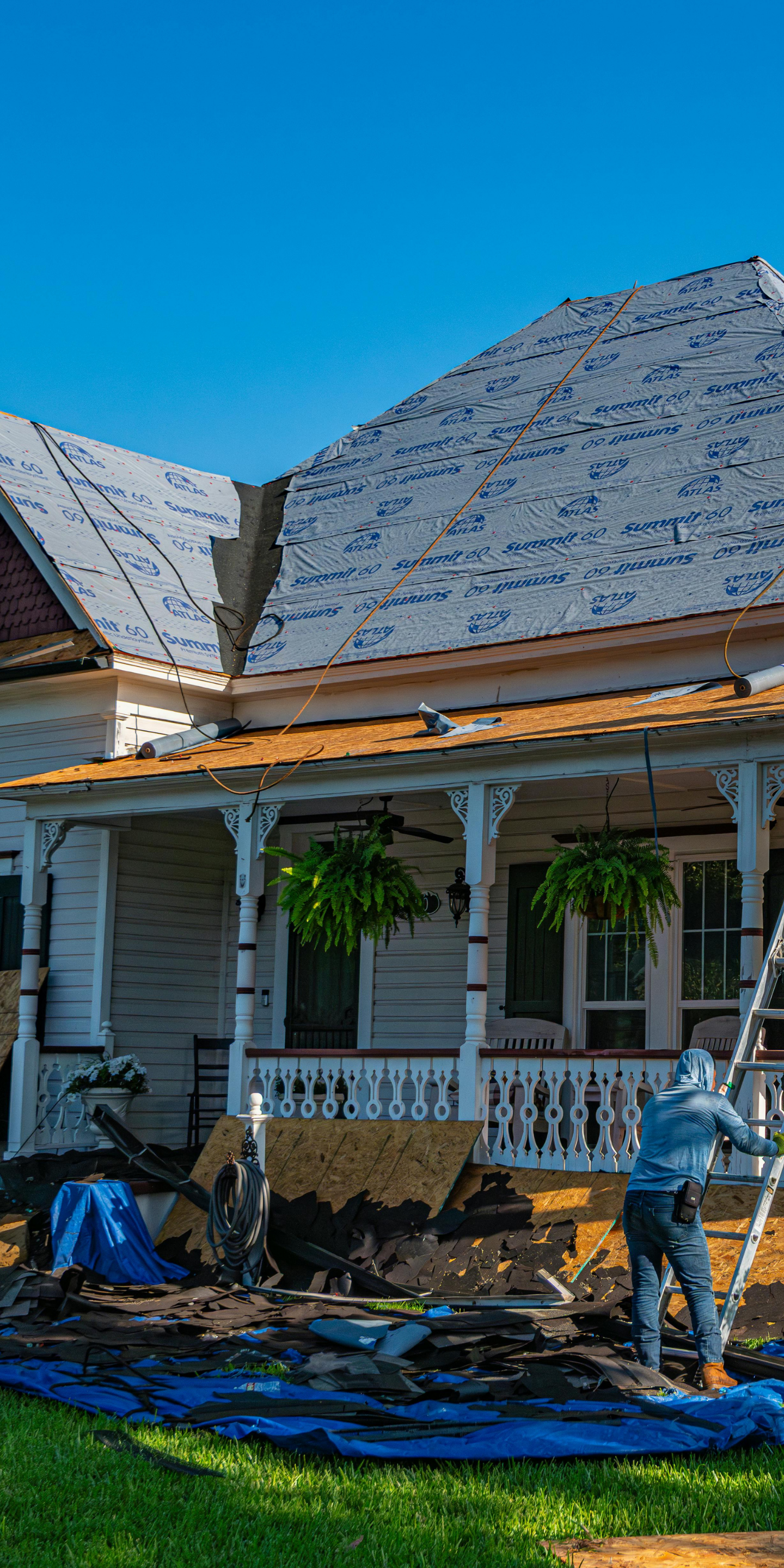
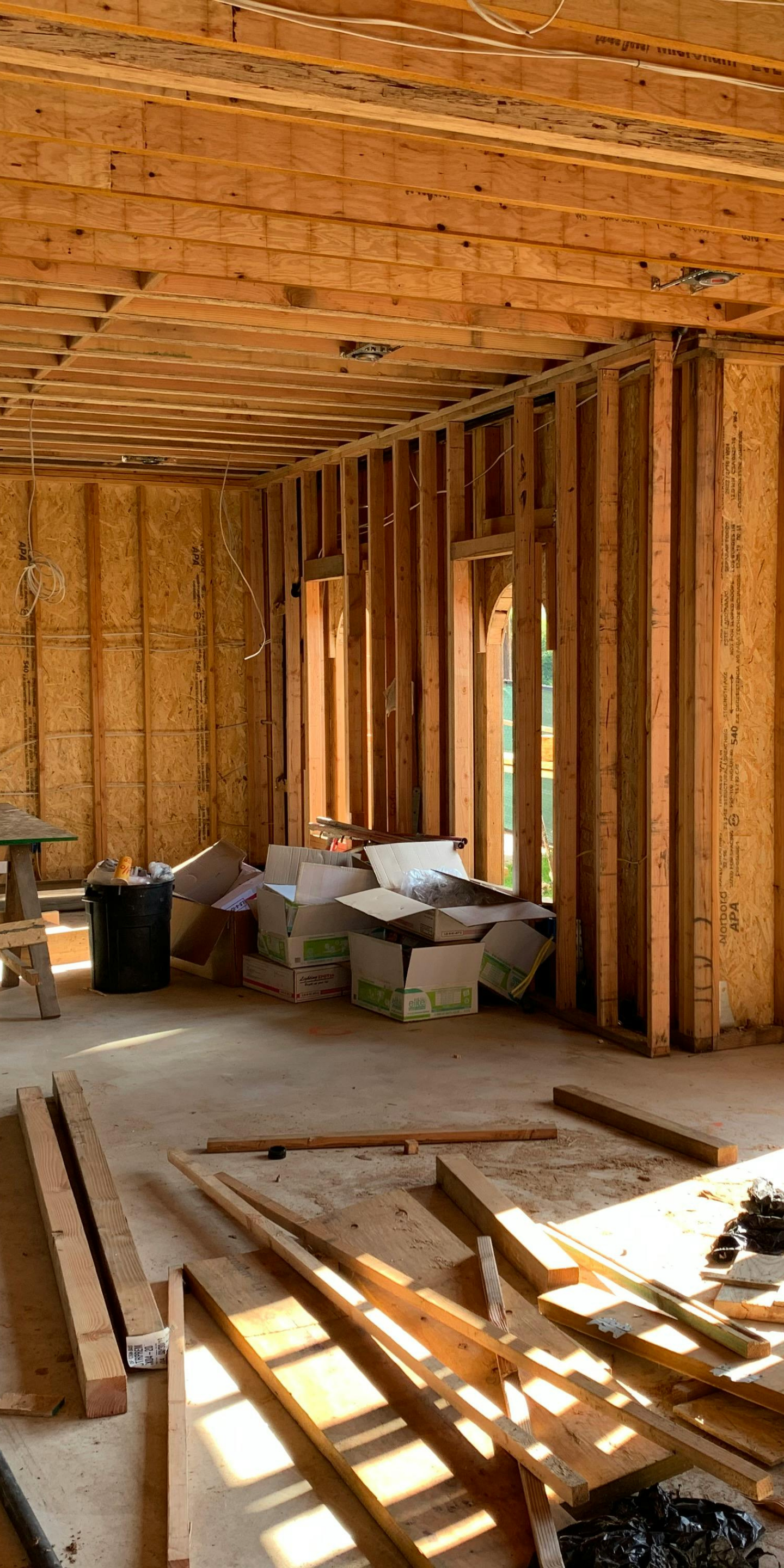
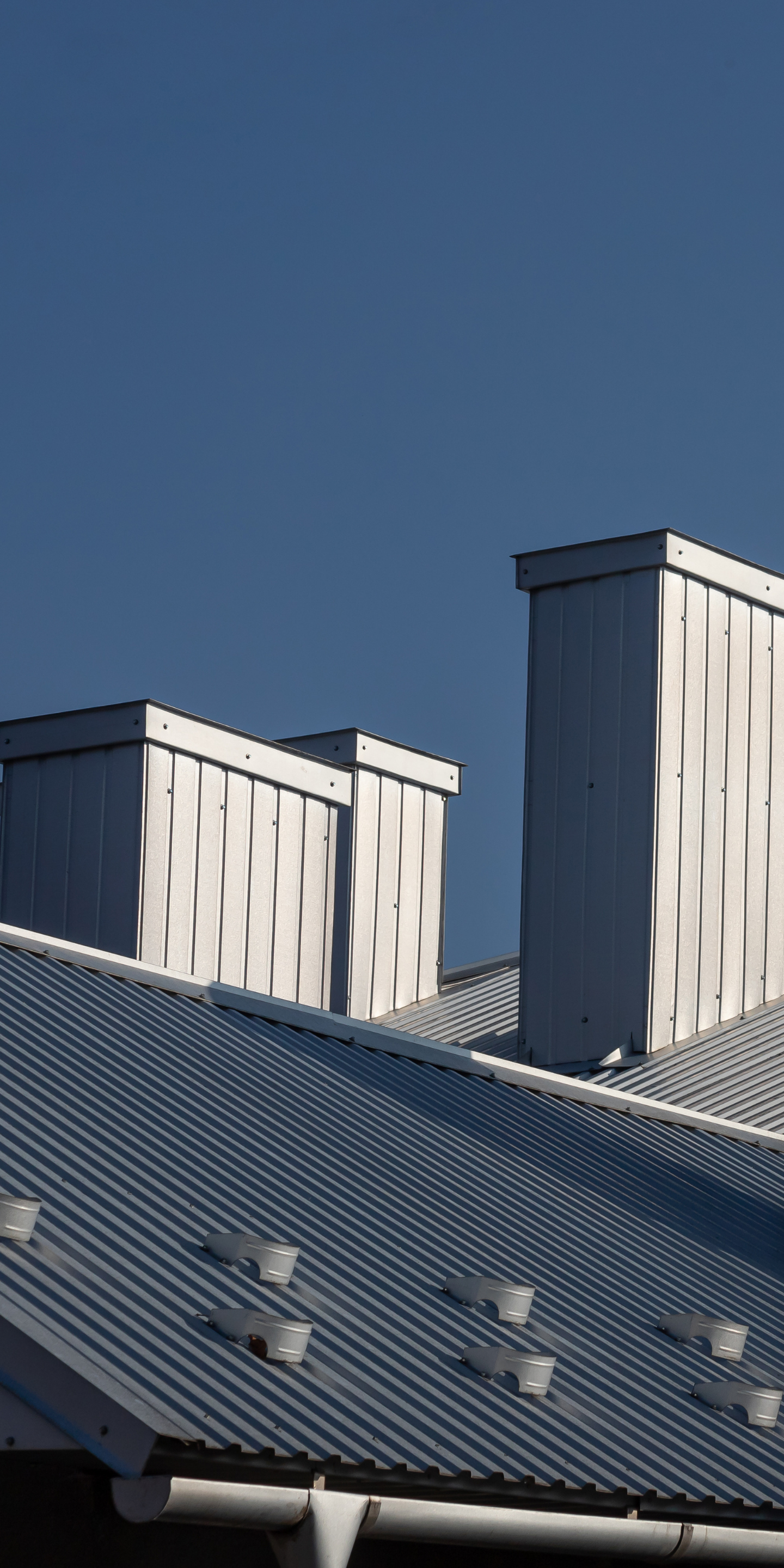
Storm Damage Restoration
Severe weather can take a toll on homes and commercial buildings. Hail, powerful winds, accumulated snow, and airborne debris can weaken roofing systems, affect exterior materials, and create openings that allow water to penetrate a property.
For homeowners and business owners across Northern Colorado, weather-related property damage is something worth taking seriously. A roof may look intact following a storm, yet certain problems can remain concealed beneath the surface. If left unchecked, these issues may worsen and lead to more extensive repairs.
At 12 Stones Roofing & Construction, we recognize how important it is to identify and address roofing damage after severe weather. We offer roofing and restoration services that help property owners assess their situation, review possible solutions, and decide how to proceed.
From hail impacts and wind-related problems to leaks caused by damaged roofing materials, having the affected areas professionally evaluated is an important first step toward restoring your property.
Weather-Related Damage That Can Affect Your Roof
Storms can impact different parts of a roofing system depending on the weather conditions and the intensity of the event. Knowing what to watch for can help you determine when your property may need professional attention.
Hail-Related Roof Damage
Hail can strike various exterior surfaces, including asphalt shingles, metal panels, gutters, flashing, and other roofing components.
The severity of the impact depends on factors such as hailstone size, wind conditions, and the materials installed on the property. Possible signs include dents, fractured surfaces, missing protective granules, and other forms of physical wear.
Some hail-related problems are difficult to identify without examining the roof more closely. A professional inspection can help establish whether the impacts have affected the roofing materials and whether corrective work is needed.
Wind-Related Roof Damage
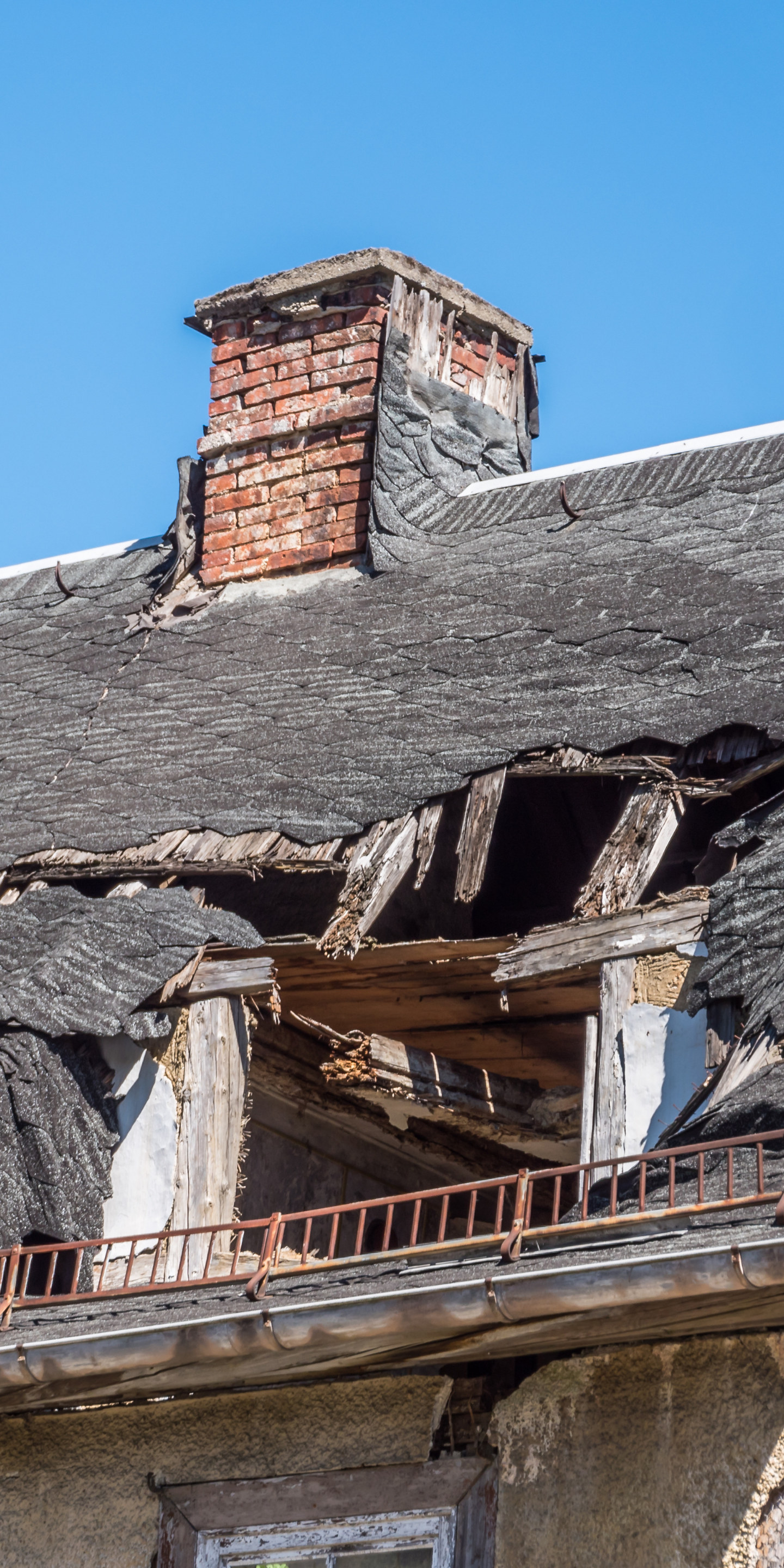
Powerful winds can disturb roofing materials by lifting their edges, loosening fasteners, or tearing sections away entirely.
When shingles become displaced or go missing, the layers beneath them may be exposed to rain and other environmental conditions. High winds can also affect roof flashing, ridge caps, perimeter edges, and other areas where roofing components meet.
Following a windstorm, check the surrounding property for fallen roofing pieces or other visible signs of damage. Avoid climbing onto the roof, as damaged surfaces can be unstable and dangerous.
Roof Leaks and Moisture Intrusion
Damaged or displaced roofing materials can create pathways for rainwater and melting snow to enter a building.
Once moisture gets inside, it may affect attic insulation, ceilings, drywall, wooden framing, and other building materials. Sometimes, the first noticeable signs are interior discoloration, damp surfaces, or water stains that develop days or even weeks after a storm.
Having the affected areas examined can help locate where moisture is entering and identify the work needed to address the problem.
Winter Weather and Ice-Related Roof Problems
Cold-season conditions in Northern Colorado can create additional challenges for roofing systems. Heavy snow, fluctuating temperatures, and repeated freezing and thawing can place stress on roofing materials and drainage areas.
When existing roof components are damaged or weakened, these conditions may increase the possibility of leaks and moisture-related problems.
Any roofing concerns that arise during winter should be assessed with consideration for the property's condition, the source of the problem, and the most suitable restoration method.
Storm Restoration Solutions for Properties Across Northern Colorado
Buildings throughout Northern Colorado are exposed to a variety of weather conditions throughout the year. Hail and strong winds can damage exterior surfaces, while winter storms may introduce problems associated with snow buildup, ice, and changing temperatures.
Since no two properties experience storm damage in exactly the same way, the restoration process should start by identifying which areas have been affected.
A detailed property evaluation can help establish:
The roofing materials and components that show signs of storm impact.
Whether the damage is concentrated in one section or spread across several areas.
Whether gutters, flashing, roof edges, or other exterior features have been affected.
Whether moisture has reached the interior of the building.
Whether targeted repairs or a larger roofing project would be more appropriate.
Having a clearer picture of the property's condition makes it easier to determine the necessary work and plan the restoration accordingly.
How Our Storm Damage Restoration Process Works
Dealing with roof damage after a major storm can be overwhelming, particularly when additional rainfall or changing weather conditions may put your property at further risk.
Following an organized process helps clarify the condition of the roof, the work that may be required, and the steps involved in moving forward.
1. Evaluating the Property
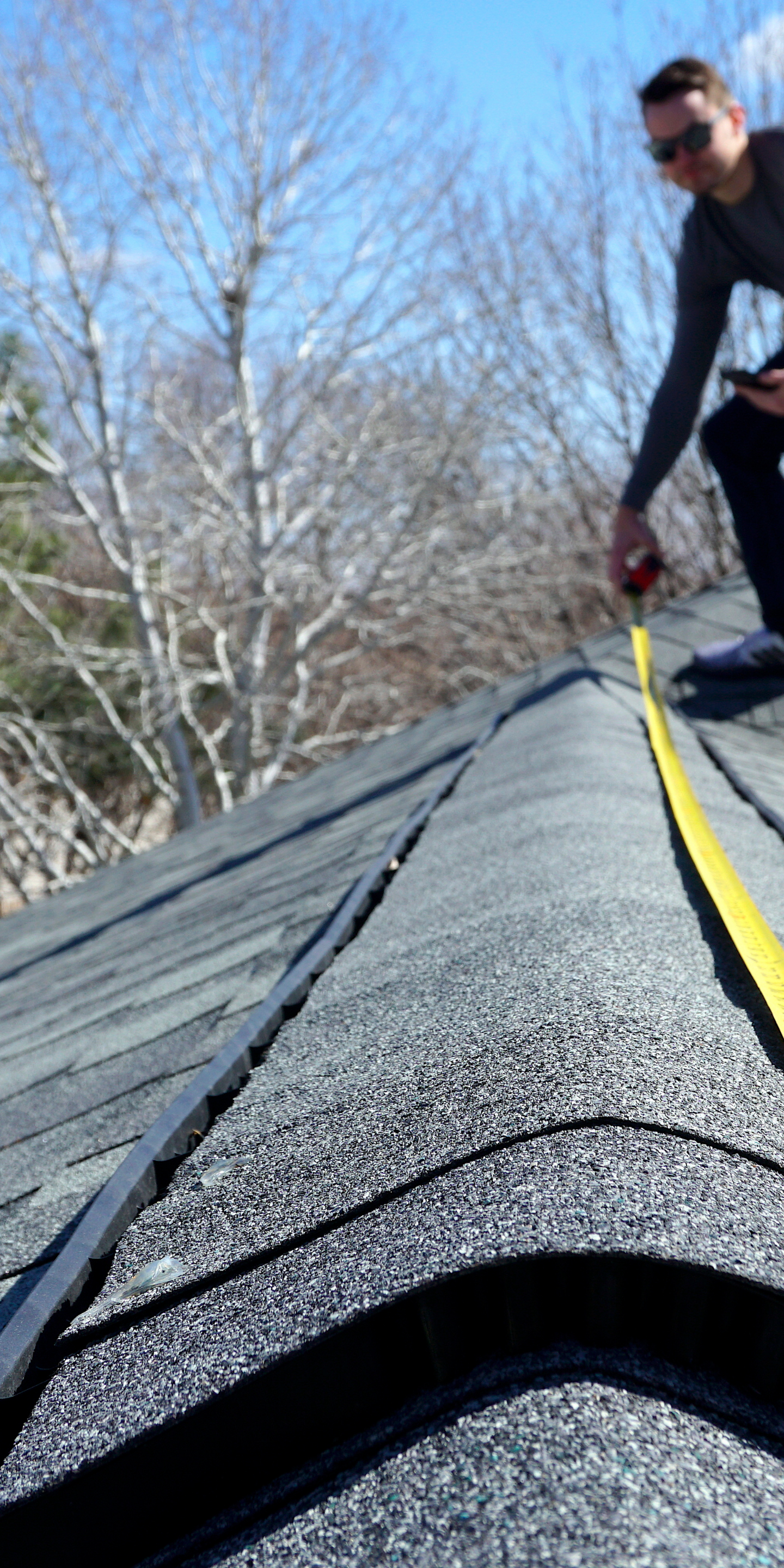
The first step involves examining the property for signs of weather-related damage. Areas of attention may include shingles, roofing panels, flashing, roof edges, and other exterior features that may have been exposed to the storm.
2. Recording the Observed Damage
Visible damage can be recorded through photographs and written inspection notes. Maintaining this information provides a reference for the property's condition and the areas that may require attention.
These records may also assist property owners when discussing storm-related concerns with their insurance provider.
3. Identifying the Appropriate Roofing Solution
Once the affected areas have been evaluated, the next step is to determine the type of work that may be necessary. Depending on the findings, the project could involve repairing isolated sections, replacing damaged roofing materials, or installing an entirely new roof.
The recommended solution should reflect the actual condition of the roofing system and the extent of the damage.
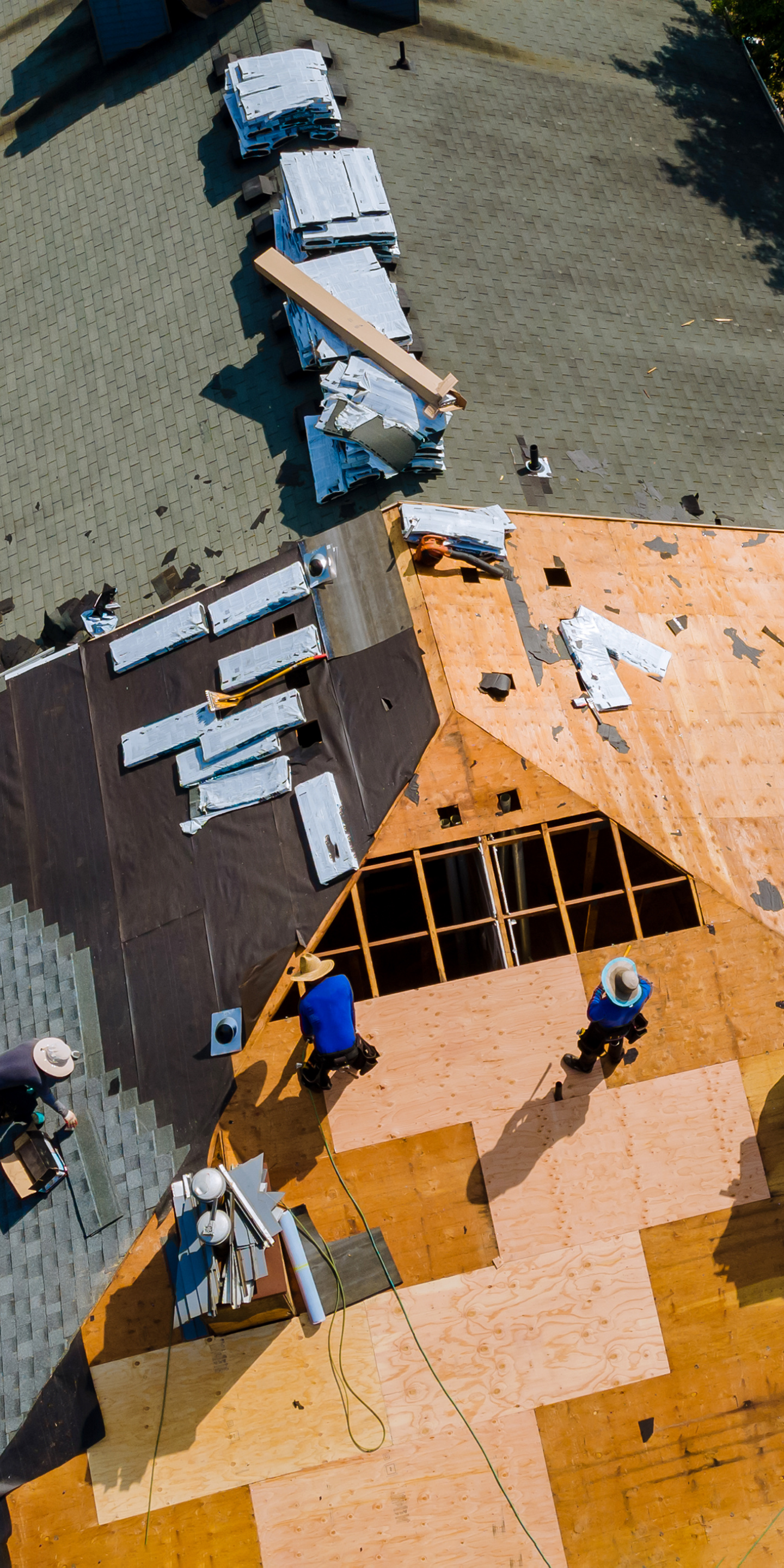
4. Carrying Out the Restoration
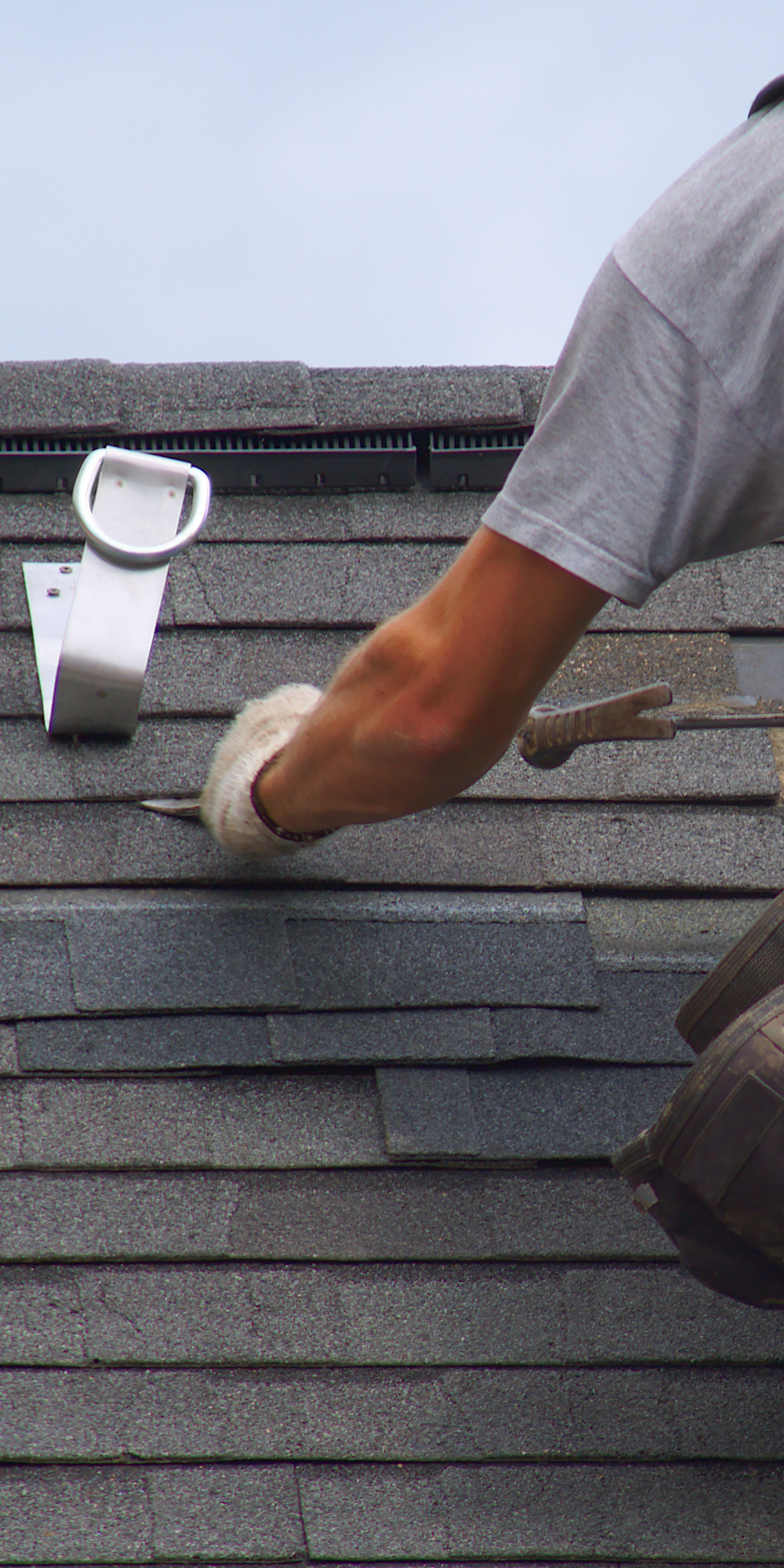
After the project requirements have been established, the necessary roofing work can begin. The materials and installation approach should be selected according to the affected components and the needs of the property.
The objective is to address the identified problems and restore the roof's ability to protect the building from outside elements.
5. Reviewing the Completed Work
Following the restoration, the completed areas should receive a final review. This provides an opportunity to check the work performed and identify any remaining concerns related to the agreed project scope.
What Property Owners Should Know About Storm Damage Insurance Claims
Discovering roof damage after a storm often raises questions about insurance coverage and the claims process.
Whether a particular repair or replacement is covered depends on several factors, including the policy's provisions, the cause of the damage, the condition of the roof, and the insurance company's findings.
If you believe your property has been affected by severe weather, the following actions may help you prepare:
Photograph visible damage from locations where it is safe to do so.
Keep pictures of affected roofing, exterior surfaces, and any interior areas showing signs of water intrusion.
Make a note of when the storm occurred and what conditions were observed.
Speak with your insurance provider about the policy's coverage and claim submission procedures.
Arrange for a qualified roofing professional to examine the affected areas.
Carefully review the proposed scope of work before agreeing to a repair or replacement project.
Keep in mind that storm-related damage does not automatically qualify for insurance coverage. Each claim is evaluated according to the policy terms and the insurer's assessment.
A roofing contractor may provide observations, photographs, and documentation related to the property's condition. However, decisions about coverage and claim approval remain with the insurance provider. No contractor should promise a particular insurance outcome.
The Benefits of Addressing Storm Damage Early
Putting off an inspection or leaving damaged roofing materials unattended can leave your property vulnerable to future weather exposure.
Even a relatively small opening in the roofing system may allow moisture to reach areas that are not immediately visible. Over time, water intrusion can affect insulation, interior finishes, walls, and other building components.
Arranging an evaluation soon after a storm helps identify potential concerns before they develop into more extensive problems. When necessary, timely repairs can help limit further exposure and maintain the protective performance of the roof.
Pay attention to warning signs such as displaced shingles, dents from hail, roofing debris around your property, or unexplained water marks inside the building. If you notice any of these conditions following severe weather, consider having your roof professionally assessed.
Contact 12 Stones Roofing & Construction for Storm Damage Restoration in Northern Colorado
Discovering storm damage can leave property owners unsure about what to do next. Understanding the condition of your roof and identifying the appropriate solution can make the restoration process easier to manage.
12 Stones Roofing & Construction provides roofing services for residential and commercial property owners throughout Northern Colorado. We help address roofing concerns associated with severe weather and provide solutions based on the needs of each project.
Whether you are dealing with hail impacts, wind-damaged materials, or signs of water entering your building, our team is available to discuss your concerns and help you consider the next steps.
Reach out to 12 Stones Roofing & Construction to schedule a property assessment and learn more about available restoration solutions.
When severe weather affects your roof, take the first step toward addressing the damage with a trusted roofing resource serving Northern Colorado.
Frequently Asked Questions
-
Hail and strong winds can damage shingles, flashing, gutters, vents, and other roofing components. Heavy rain and snow can also contribute to leaks and water intrusion, particularly when a roof already has damaged materials or drainage problems.
-
Yes. Hail can cause damage that is not easily visible from the ground. An inspection can help identify dents, cracks, granule loss, damaged flashing, and other signs of impact. Not every hailstorm results in roof damage, so an assessment is important before deciding on repairs.
-
Protect belongings, place a container under active leaks if safe, and avoid entering areas where ceilings may be weakened. Contact a qualified roofing professional to assess the damage and discuss temporary protection and necessary repairs. If water is near electrical equipment, avoid the area and contact the appropriate professional.
-
Yes, if it is safe to do so. Take photographs of visible damage, water stains, and affected property, and record the date of the storm. Avoid climbing onto the roof. Contact your insurer to understand your policy's reporting requirements and next steps.
-
No. The appropriate solution depends on the type, extent, and location of the damage, as well as the roof's existing condition. Some roofs can be repaired, while widespread damage may justify replacement. A professional inspection can help clarify the available options.