Routine maintenance on commercial and industrial building roofs is a proactive, systematic process designed to preserve the integrity, performance, and lifespan of the roofing system. Because these roofs often cover large surface areas and incorporate complex systems—such as HVAC units, drainage networks, and various penetrations—consistent maintenance is essential to prevent minor issues from developing into costly failures or operational disruptions.
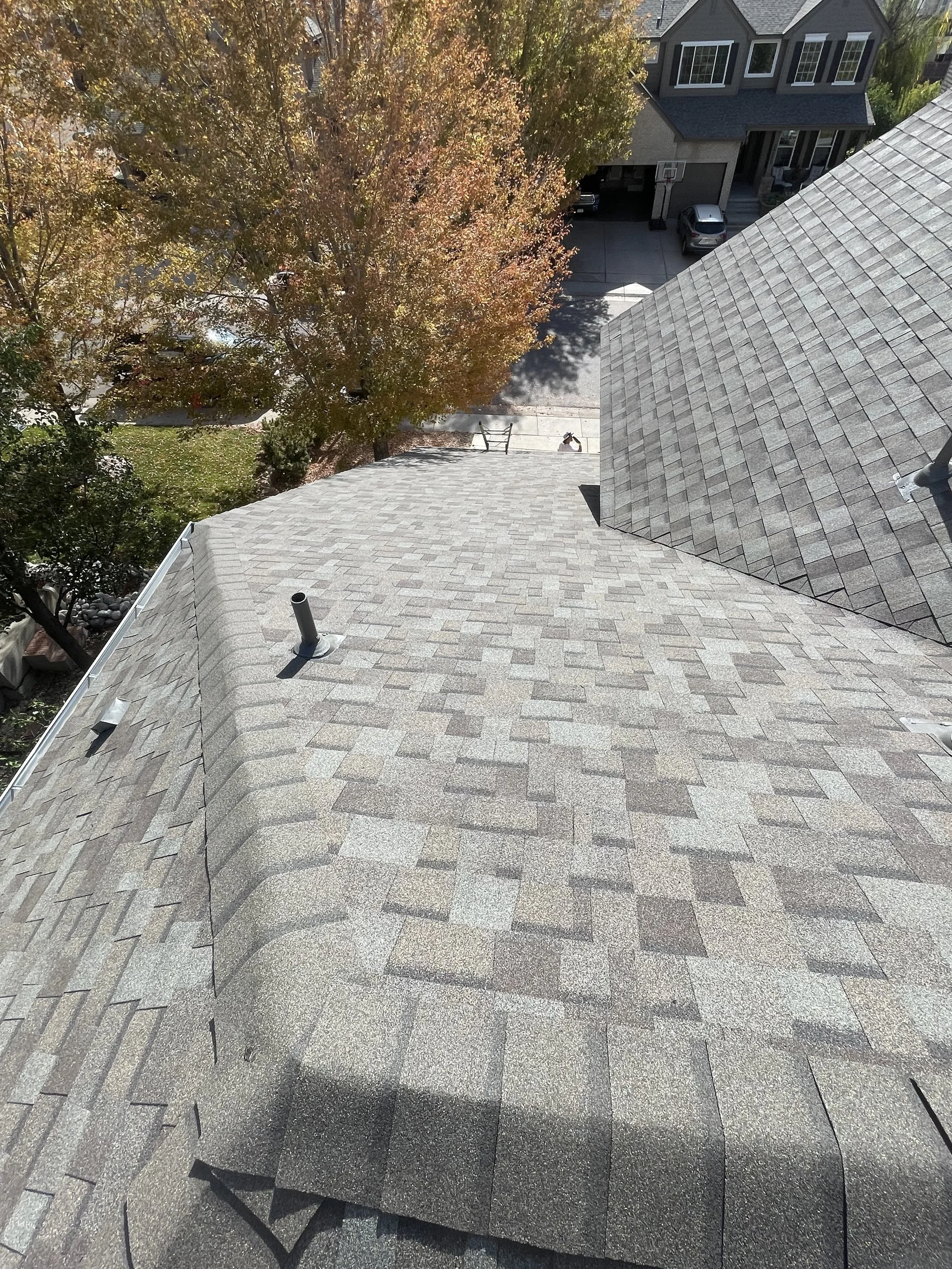
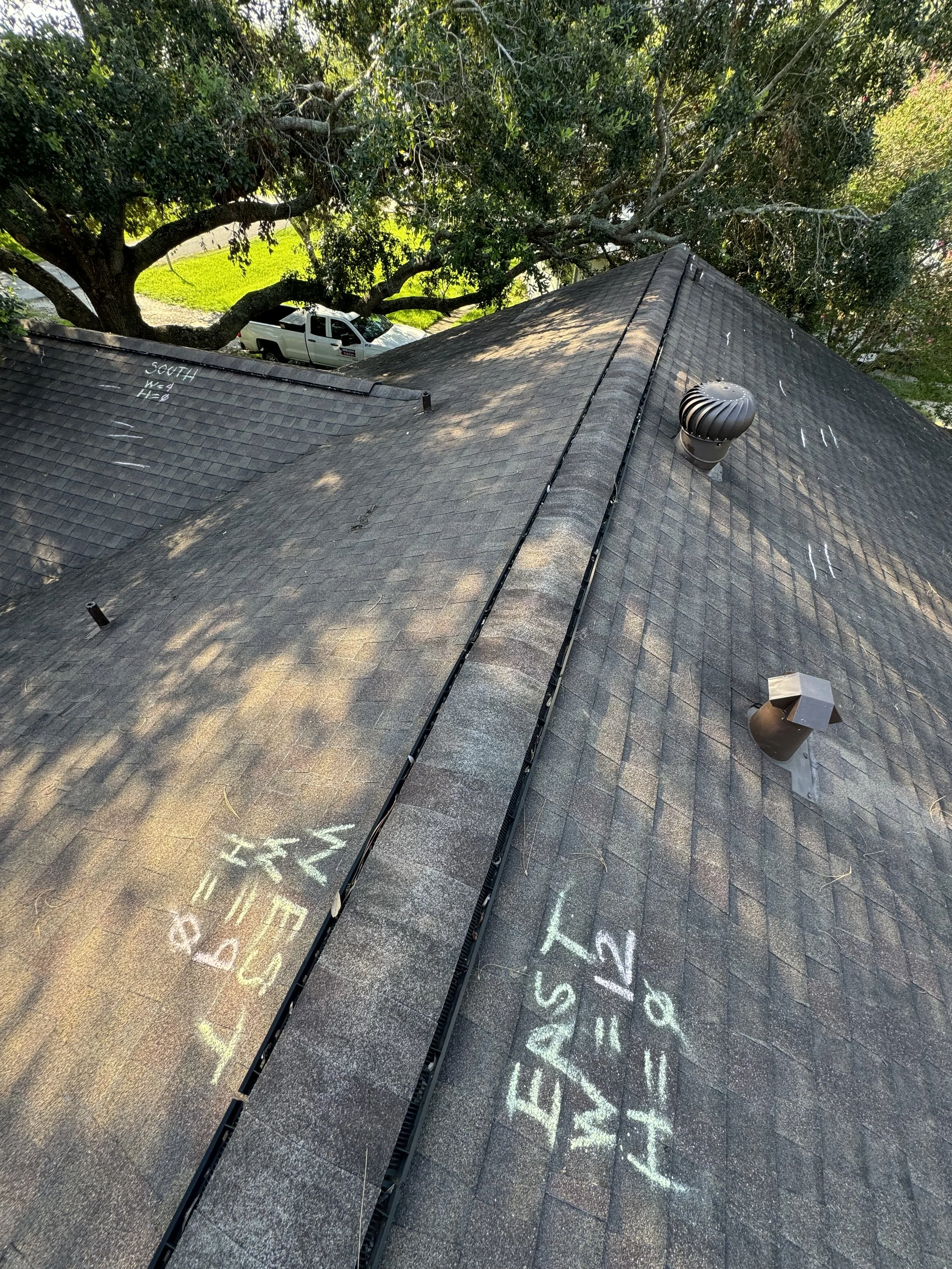
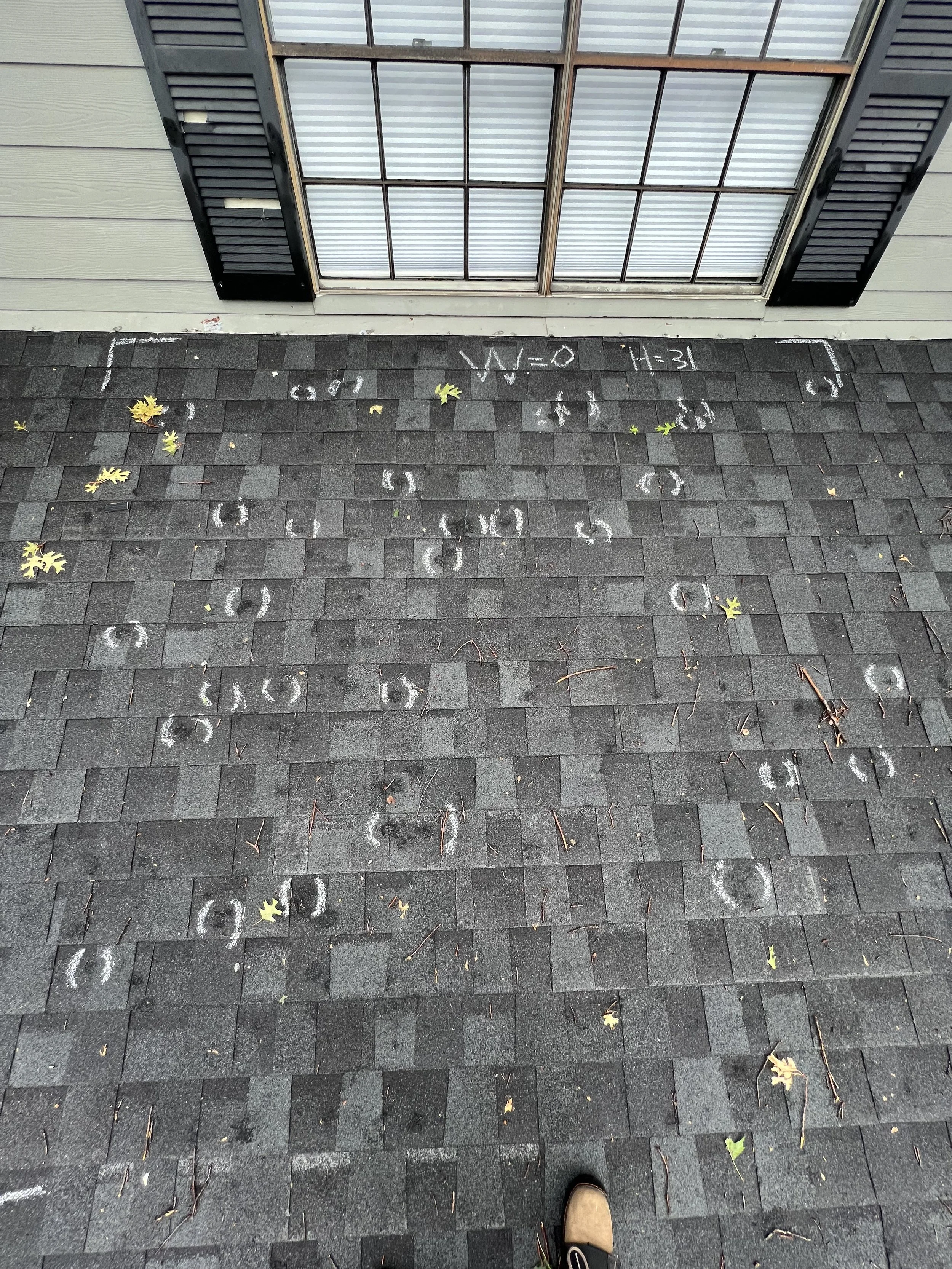
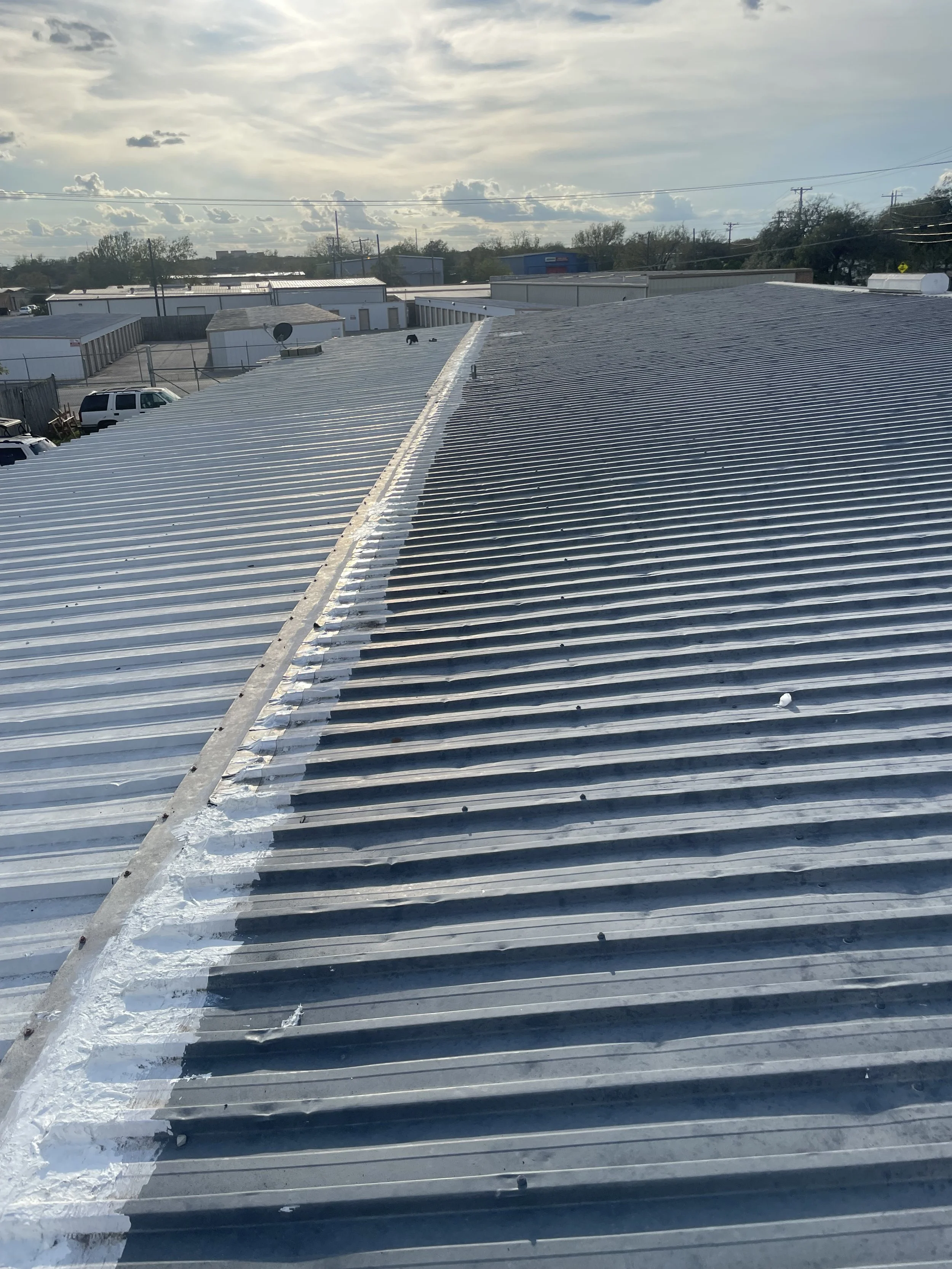
A standard maintenance program begins with scheduled inspections, typically performed biannually (spring and fall) and after major weather events. During these inspections, our trained professionals evaluate the overall condition of the roof membrane or surface—whether it is TPO, EPDM, modified bitumen, metal, or built-up roofing. Inspectors look for signs of wear such as cracking, blistering, punctures, seam separation, membrane shrinkage, and UV degradation, all of which can compromise waterproofing capabilities.
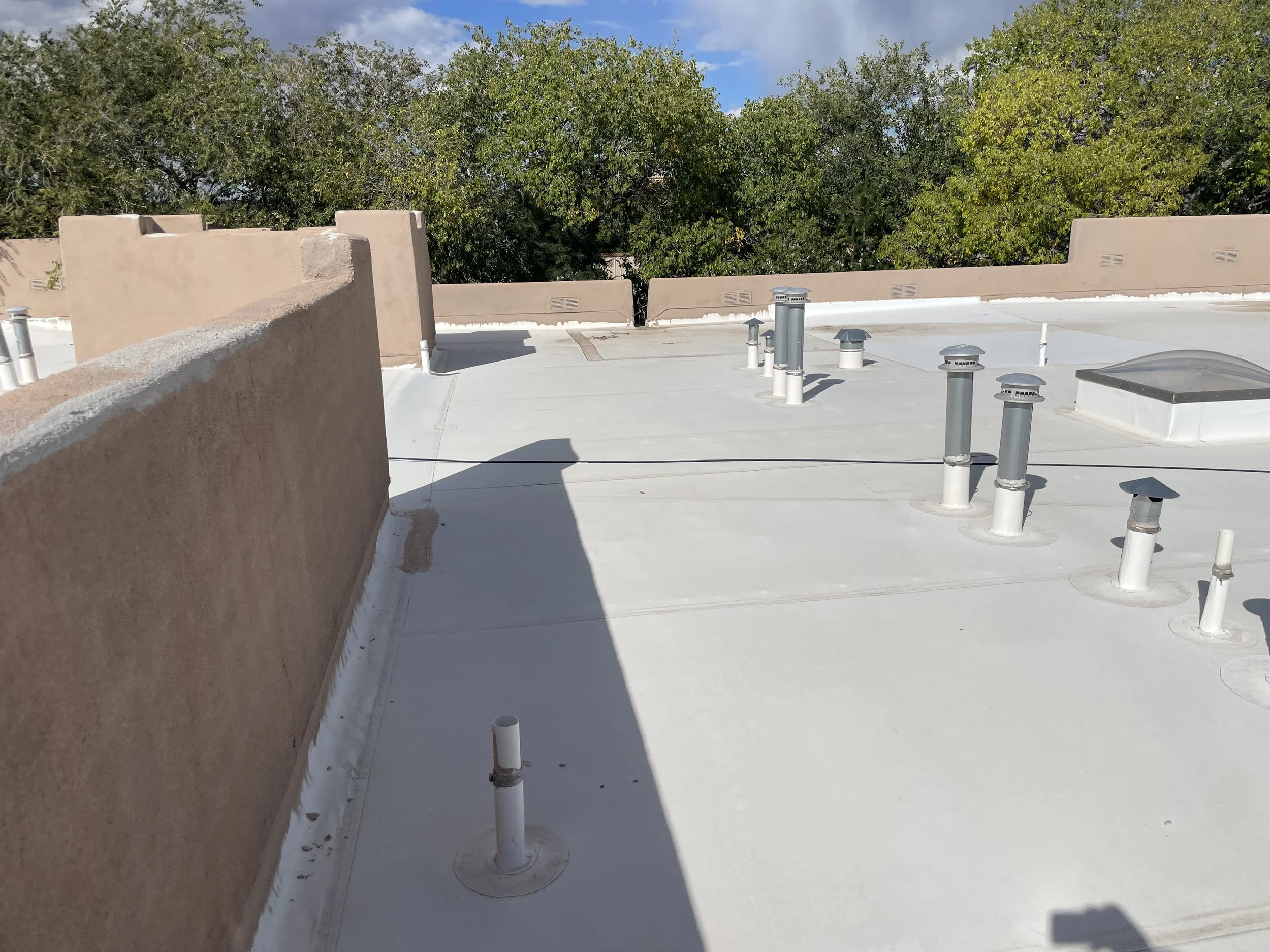
Special attention is given to high-risk areas, including roof penetrations (vents, skylights, pipes), flashing details, parapet walls, and termination points. These areas are more susceptible to leaks due to movement, weather exposure, and material transitions. Maintenance crews check for deteriorated sealants, loose fasteners, and gaps that could allow water intrusion, and they reseal or reinforce these areas as needed.
Drainage systems are another critical component of routine maintenance. Technicians inspect and clear roof drains, scuppers, gutters, and downspouts to ensure proper water flow. Debris such as leaves, dirt, and trash can cause ponding water, which accelerates material degradation and increases the risk of leaks or structural stress. Standing water is carefully evaluated to determine whether it is due to blockages or underlying slope issues.
On roofs with mechanical equipment, maintenance includes inspecting around HVAC units and other installations for signs of vibration damage, oil leakage, or unsecured components. Walk pads and traffic pathways are also assessed to ensure they are intact and properly protecting the roof surface from foot traffic wear.
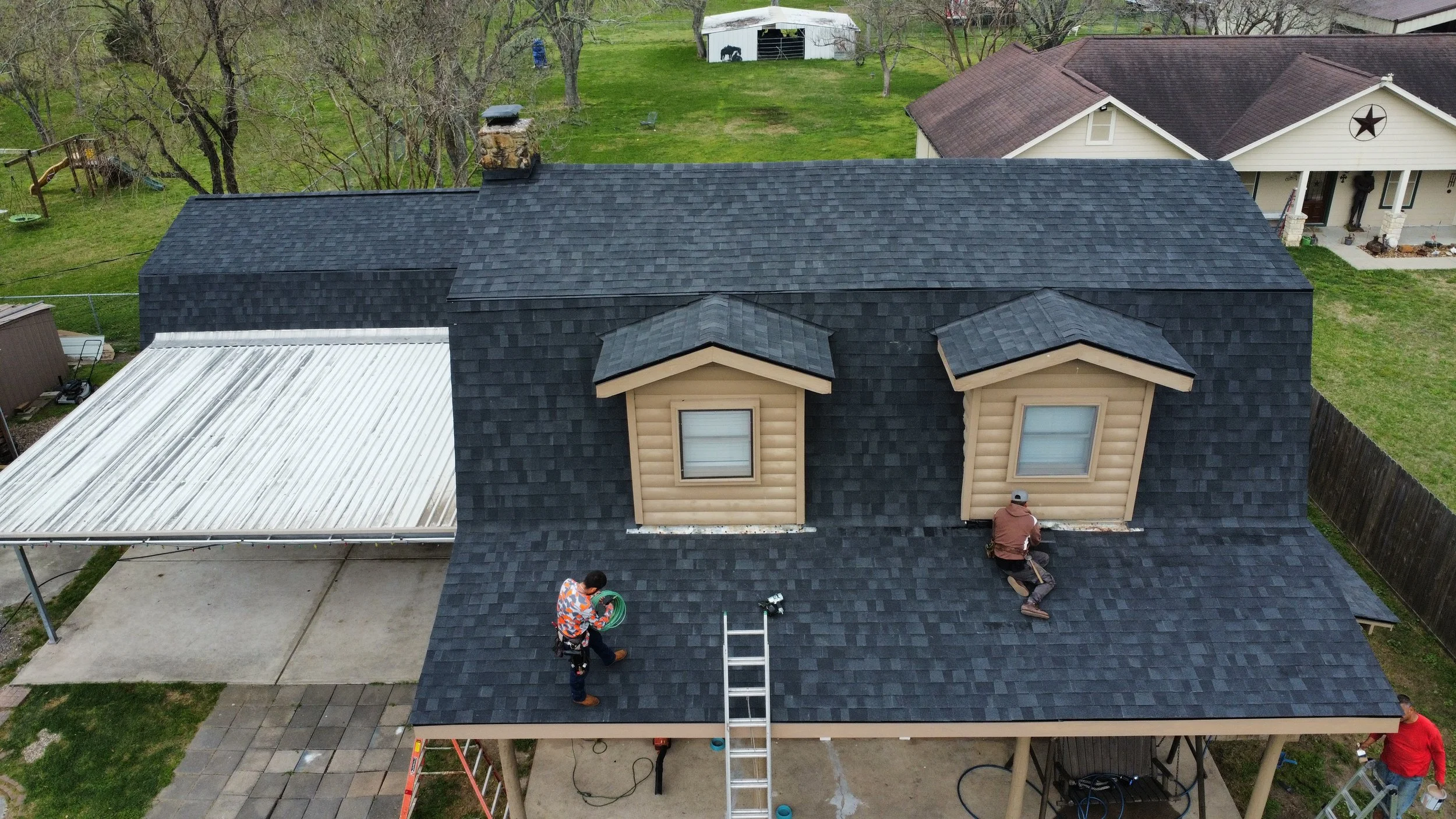
Preventative repairs are a key part of routine maintenance. This may include patching small punctures, reinforcing seams, replacing damaged flashing, tightening fasteners, and applying protective coatings where needed. Addressing these minor issues early helps avoid more extensive repairs or premature roof replacement.
In addition to physical maintenance, detailed documentation is maintained for each service visit. Reports typically include condition assessments, completed repairs, photographs, and recommendations for future action. This record-keeping not only helps with long-term asset management and budgeting but can also be valuable for warranty compliance and insurance purposes.
Overall, routine maintenance of commercial and industrial roofs is an investment in longevity, safety, and operational efficiency. By identifying early signs of damage, maintaining proper drainage, and reinforcing vulnerable areas, building owners can significantly extend the life of their roofing system while minimizing unexpected repair costs and business interruptions.