
Commercial Roofing
A dependable roofing system is an important part of maintaining a commercial property. Beyond covering the building, it helps protect equipment, inventory, workspaces, and the people who use the facility every day. When roofing materials begin to deteriorate or develop leaks, the resulting problems can affect building operations as well as the property's overall condition.
Business owners and property managers throughout Northern Colorado need roofing solutions that take the structure, existing materials, and intended use of the building into account. A small leak in one area may affect interior finishes, while widespread material deterioration can indicate that a larger roofing project should be considered.
At 12 Stones Roofing & Construction, we provide roofing services for commercial property owners who need assistance with roofing concerns, repairs, and larger improvement projects. Our approach focuses on understanding the condition of the existing system and identifying work that is appropriate for the property.
Whether you manage an office building, retail space, warehouse, or another type of commercial facility, maintaining the roof is an important part of protecting your investment.
Roofing Needs of Commercial Buildings
Commercial properties can have very different roofing requirements from residential homes. Building size, roof design, drainage arrangements, equipment placement, and the materials originally installed all influence how a commercial roofing system should be maintained.
Many commercial buildings have broad roof surfaces with relatively low slopes. These designs may require specific attention to drainage, seams, penetrations, and areas where roofing materials connect to other building components.
Other properties use sloped roofing systems with materials that require a different inspection and maintenance approach.
Because each structure has its own characteristics, commercial roofing work should begin with an understanding of the building and the condition of its existing roof.
Common Commercial Roofing Concerns
Leaks and Water Entry
Water intrusion is one of the most common reasons commercial property owners seek roofing assistance. Leaks may develop around seams, roof penetrations, flashing, drainage areas, or sections where roofing materials have deteriorated.
Even a limited leak can create problems if moisture reaches ceilings, insulation, electrical areas, or stored materials. Identifying the source of the water is essential before deciding how the affected section should be repaired.
Aging and Deteriorating Materials
Commercial roofing materials are exposed to sunlight, temperature changes, wind, precipitation, and other environmental conditions. Over time, these factors can contribute to surface deterioration, weakened seams, loose components, and reduced material performance.
The condition of an aging roof should be evaluated to determine whether maintenance or repairs remain practical or whether replacement deserves consideration.
Drainage and Ponding Water
Proper water movement is especially important on many low-slope commercial roofs. Drains, gutters, and other drainage components need to function as intended so that water can move away from the building.
When drainage becomes restricted or water collects on the roof, it may contribute to additional stress on roofing materials. An evaluation can help identify visible drainage concerns and determine whether corrective work is needed.
Damage From Severe Weather
Hail, high winds, snow, and heavy rain can affect commercial roofing systems. Depending on the roof design and materials, a storm may cause surface damage, loosen components, affect flashing, or create openings that allow moisture inside.
Following severe weather in Northern Colorado, commercial property owners should consider having the roof assessed if they notice signs of damage or suspect that the building has been affected.
Commercial Roofing Services for Different Property Requirements
The right roofing solution depends on the type of building, the materials already in place, and the condition of the existing system.
Some commercial properties need repairs to a specific section, while others may require a more comprehensive roofing project. The decision should be based on an evaluation of the affected areas rather than assumptions about the entire roof.
Commercial roofing projects may involve:
Roof repairs: Addressing localized problems such as leaks, damaged materials, or deteriorated components.
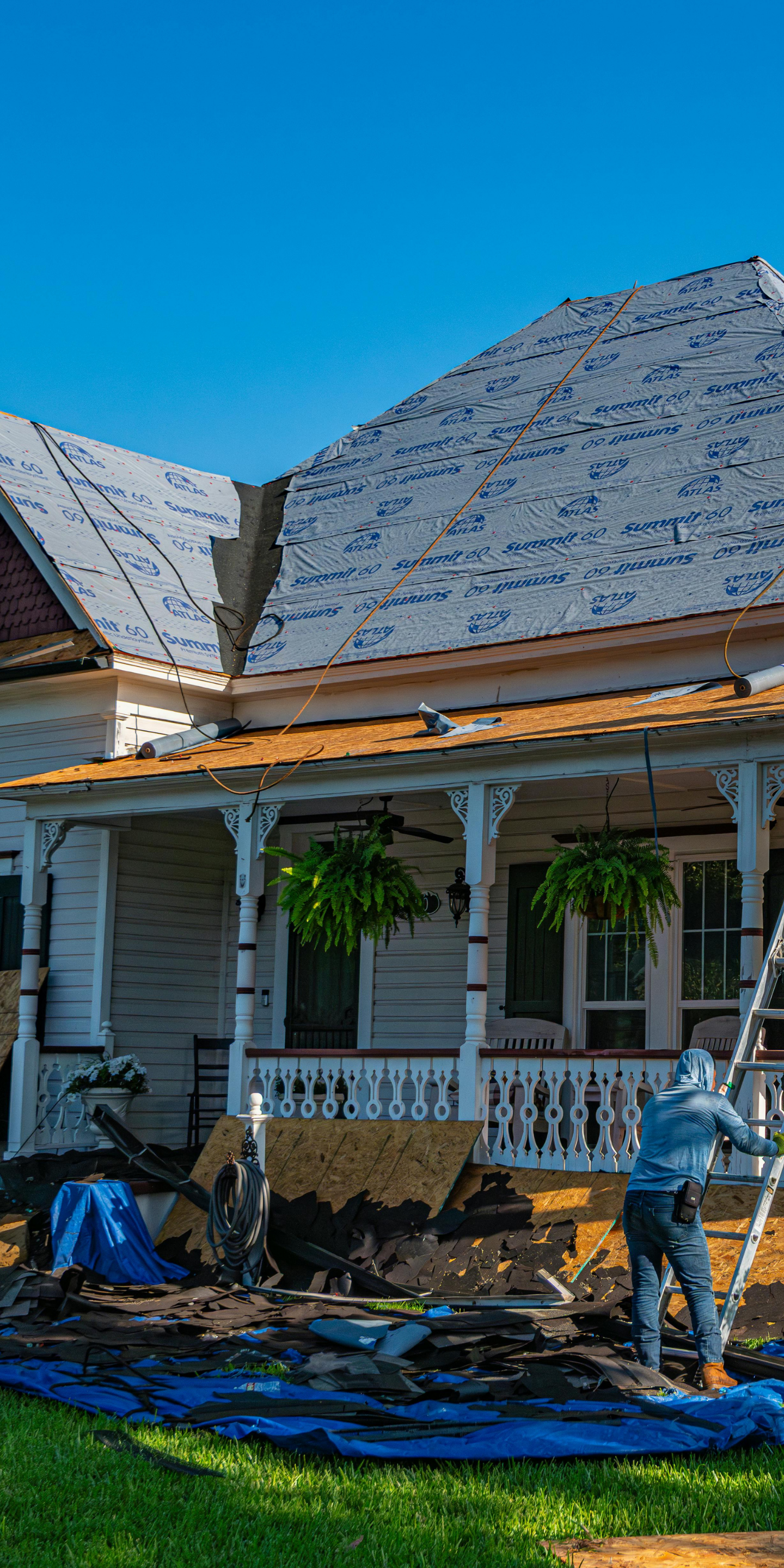
Roof replacement: Removing and replacing an existing roofing system when repairs are no longer a suitable long-term option.
Storm-related roofing work: Evaluating and addressing damage caused by hail, wind, or other severe weather.
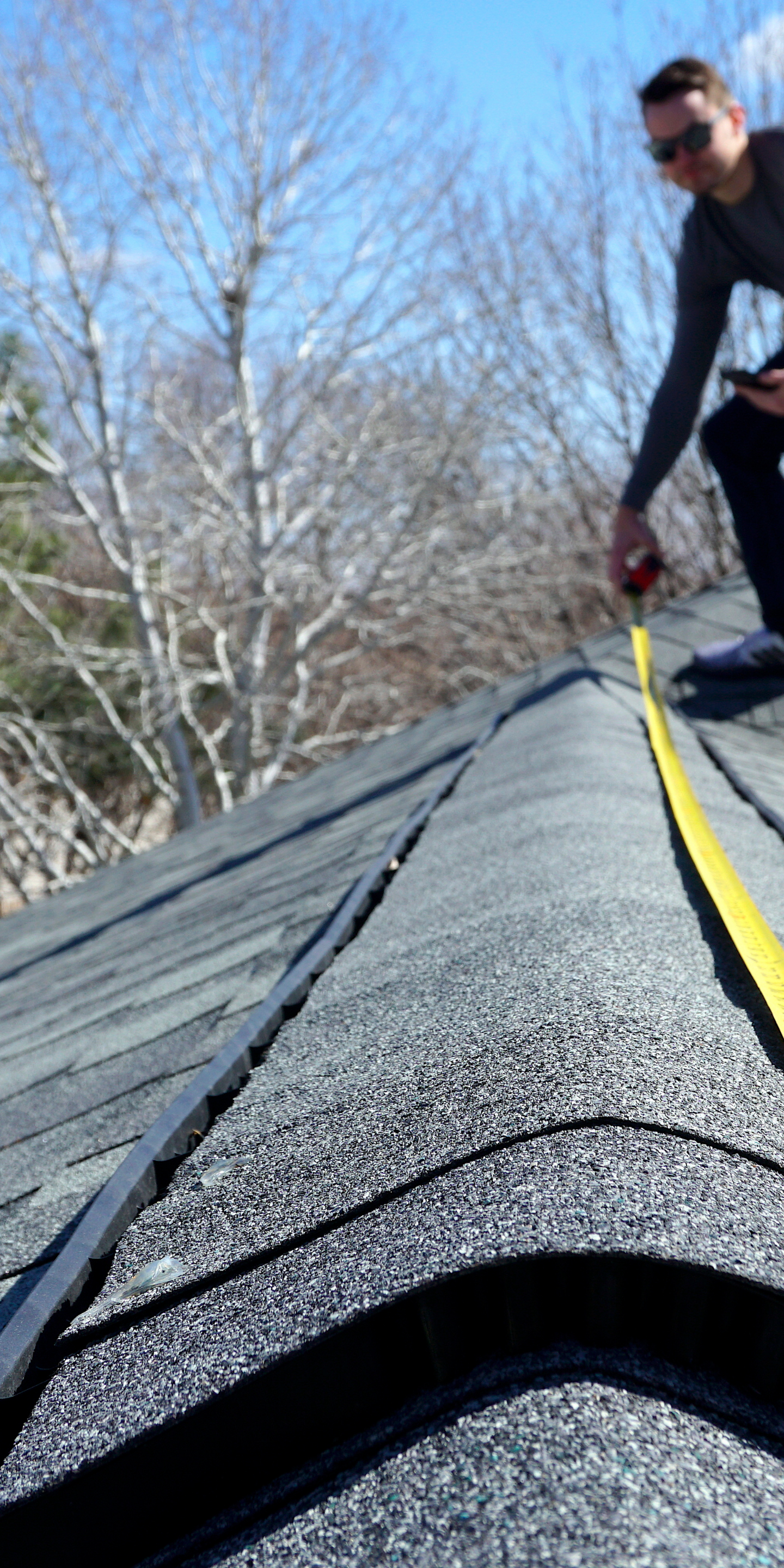
Roof inspections: Reviewing the condition of accessible roofing materials and identifying areas that may need attention.
General roofing improvements: Completing necessary work to address specific concerns with the existing roof.
The available options depend on the building's design, the current roofing system, and the requirements of the project.
Commercial Roofing Materials and System Considerations
Commercial buildings use a variety of roofing materials. The most appropriate system depends on factors such as roof slope, building use, existing construction, drainage design, and project requirements.
Some low-slope commercial buildings use membrane-based roofing systems. Examples include:
TPO Roofing
Thermoplastic polyolefin, commonly called TPO, is a single-ply membrane used on many low-slope commercial roofs. Its seams are typically joined through heat welding, creating connected sections across the roof surface.
EPDM Roofing
Ethylene propylene diene monomer, or EPDM, is a synthetic rubber roofing membrane used on certain commercial buildings. Its installation and maintenance requirements depend on the system design and the materials used.
Modified Bitumen Roofing
Modified bitumen is an asphalt-based roofing material commonly used on low-slope applications. It is installed in layers and may be selected for certain commercial roofing projects based on the building's needs.
Metal Roofing
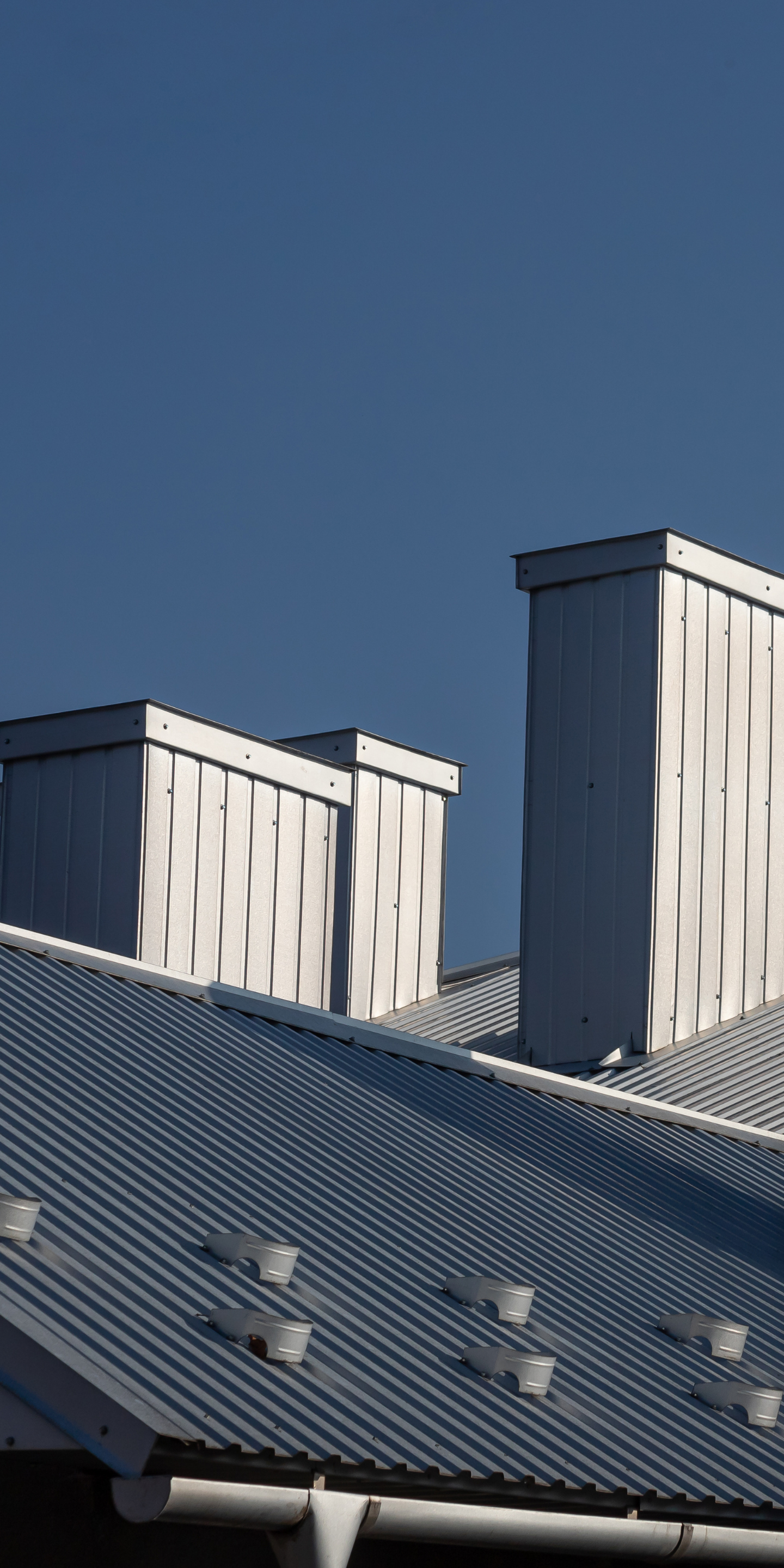
Some commercial buildings use metal roofing panels. These systems may be suitable for particular roof designs and require attention to panel connections, fasteners, flashing, and other installation details.
Not every material is appropriate for every building. The existing roof and project conditions should be evaluated before selecting a replacement or repair approach. Property owners should also confirm which specific systems and materials are available for their project.
Our Commercial Roofing Project Process
1. Discussing the Building's Roofing Needs
Every project starts with understanding the property and the reason for the requested work. This may involve a recurring leak, visible material deterioration, recent storm damage, or plans to replace an older roof.
2. Assessing the Existing Roof
The condition of the accessible roofing components is reviewed to identify visible concerns. The assessment may consider the roof surface, flashing, drainage features, seams, and other areas relevant to the project.
3. Determining the Project Scope
After reviewing the roof, the necessary work can be outlined. This may include localized repairs, replacement of affected materials, or a larger roofing project if the condition of the existing system warrants it.
4. Coordinating the Roofing Work
Commercial roofing projects should take the building's use and practical requirements into consideration. Project details, work areas, and the agreed scope should be discussed before the work begins so property owners know what to expect.
5. Reviewing the Completed Project
Once the roofing work has been carried out, the completed areas should be reviewed in relation to the agreed project requirements. This helps address any outstanding concerns associated with the work performed.
Maintaining Commercial Roofs in Northern Colorado
Commercial properties across Northern Colorado experience seasonal weather changes that can affect roofing materials. Hailstorms and strong winds may cause sudden damage, while sunlight, temperature fluctuations, snow, and freezing conditions contribute to ongoing exposure.
A roof that is not regularly evaluated may develop issues that remain unnoticed until they begin affecting the building's interior or daily operations.
Property owners and facility managers can support roof maintenance by paying attention to signs such as:
Water stains or damp areas inside the building.
Visible deterioration around roof edges and flashing.
Loose or damaged roofing components.
Blocked or poorly functioning drainage areas.
Roofing debris following severe weather.
Recurring leaks in the same section of the building.
When these concerns appear, arranging a professional assessment can help determine whether maintenance, repair, or replacement should be considered.
Commercial Roofing Support From 12 Stones Roofing & Construction
Roofing concerns can create unnecessary difficulties for businesses when they are left unresolved. Having a clear understanding of the roof's condition allows property owners and managers to plan necessary work and make informed decisions about maintaining their buildings.
12 Stones Roofing & Construction serves commercial property owners throughout Northern Colorado with roofing services for a range of project needs. Whether your building requires an evaluation, repairs to damaged areas, or a more extensive roofing improvement, our team can discuss your concerns and help identify an appropriate direction.
We understand that commercial properties have different requirements, which is why the condition and design of the building should guide the roofing work being considered.
Request Commercial Roofing Services in Northern Colorado
If your commercial property has developed a leak, shows signs of roofing deterioration, or needs an evaluation after severe weather, do not overlook the condition of its roof.
Contact 12 Stones Roofing & Construction to discuss your commercial roofing project in Northern Colorado. We can help you understand the roofing concerns affecting your property and explore the next steps for addressing them.
Keep your building protected and your roofing needs moving in the right direction with 12 Stones Roofing & Construction.
Frequently Asked Questions
-
Commercial properties may use single-ply membranes such as TPO, PVC, or EPDM, modified bitumen, built-up roofing, or metal roofing. The right system depends on the building's structure, roof design, drainage, intended use, and budget.
-
A commercial roof should be inspected regularly, commonly at least twice a year, and after significant hail or wind events. The appropriate schedule depends on the roofing system, building conditions, and manufacturer recommendations.
-
The service life of a commercial roof varies by material, installation quality, maintenance, weather exposure, and drainage conditions. A professional assessment can help determine the condition of the existing system and whether repairs or replacement should be considered.
-
In many cases, repairs can be planned around business hours, access requirements, and building operations. The amount of disruption depends on the repair scope, roof access, equipment, and safety considerations.
-
The decision depends on the extent of the damage, the roof's age and condition, the frequency of leaks, and the cost of ongoing repairs. If damage is limited, repairs may be practical. Widespread deterioration or recurring problems may make replacement worth considering.