
 Image 1 of 3
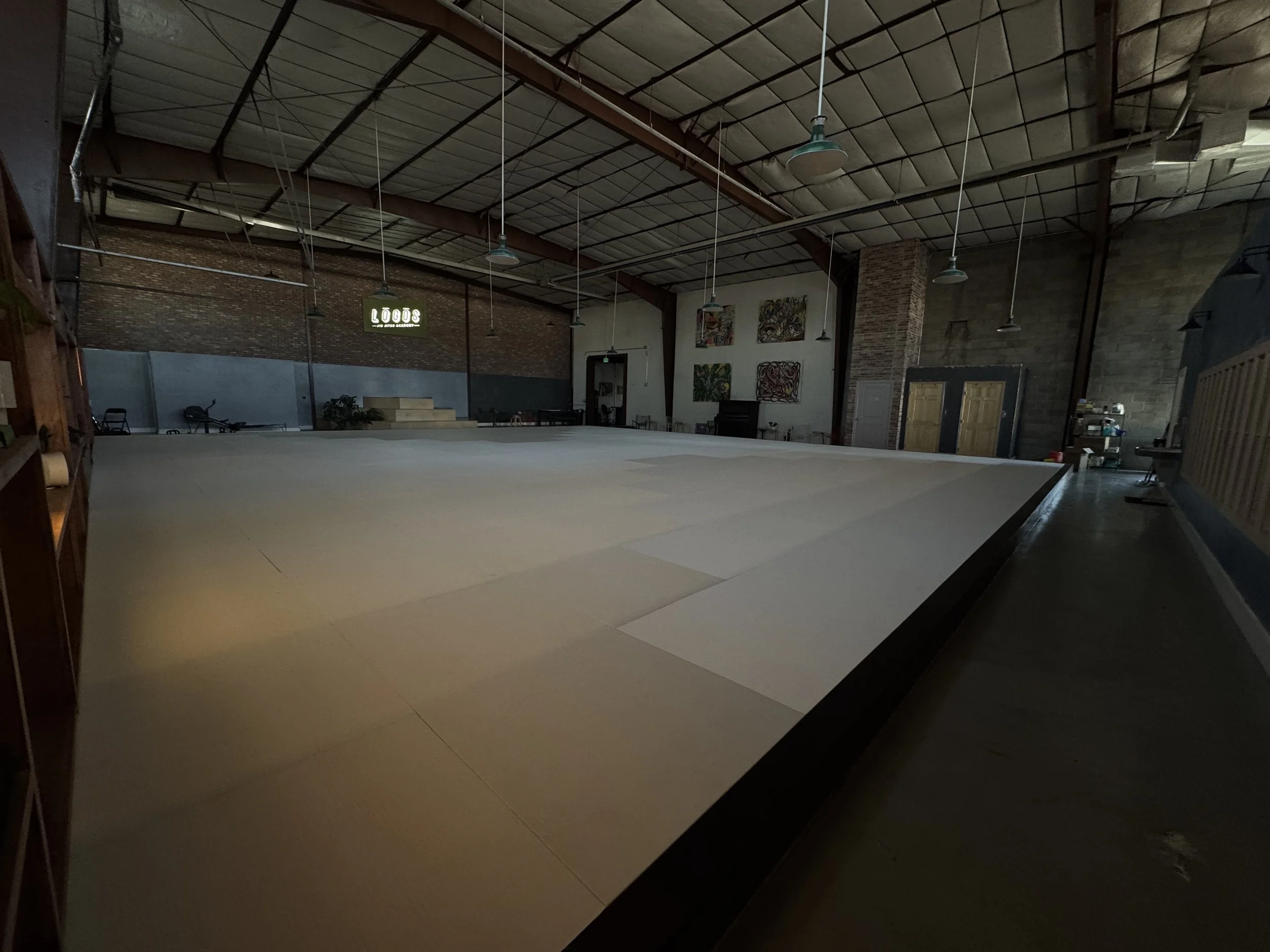 Image 2 of 3
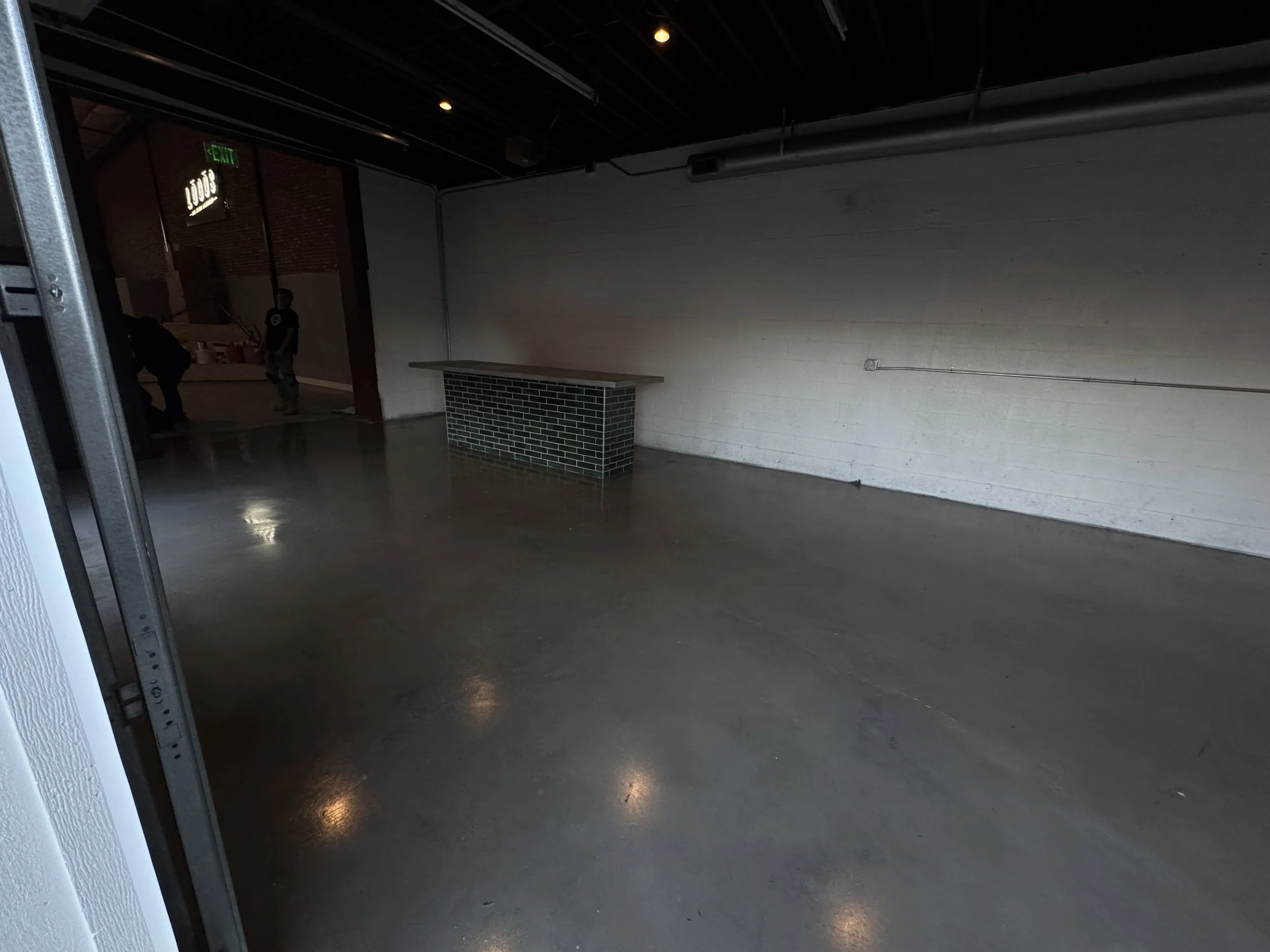 Image 3 of 3
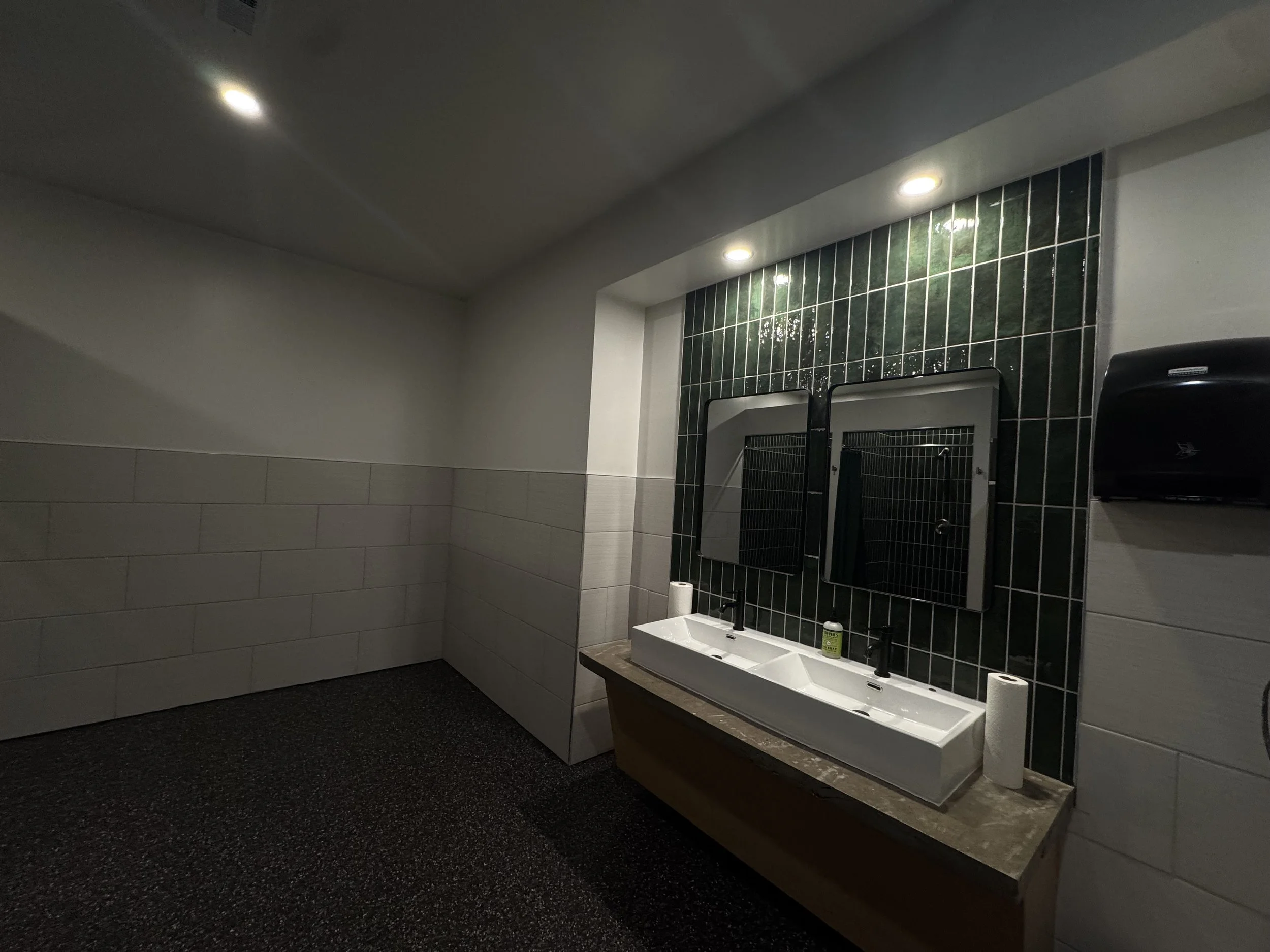
Tenant improvements (TI) for new office space leases involve customizing and upgrading an interior space to meet the specific operational, aesthetic, and functional needs of a tenant. These improvements transform a base shell or previously occupied space into a fully functional work environment that aligns with the tenant’s brand, workflow, and long-term business goals.
The process typically begins with planning and design. During this phase, we collaborate with the tenant to develop detailed layouts, space plans, and finish selections. This includes configuring offices, conference rooms, open workspaces, break areas, and reception zones, as well as integrating lighting, electrical, plumbing, and HVAC systems. Thoughtful design ensures the space is both efficient and compliant with building codes and accessibility requirements, while also reflecting the tenant’s identity and culture.
Once the design is finalized, the project moves into the permitting phase. Construction drawings and specifications are submitted to the appropriate local authorities for review and approval. This step ensures that all planned work meets municipal building codes, fire safety regulations, zoning requirements, and ADA compliance standards. Securing permits is a critical milestone, as it authorizes construction to begin and helps avoid costly delays or legal issues down the line.
Construction and renovation services follow, encompassing a wide range of improvements. These may include demolition of existing structures, framing and drywall installation, flooring, painting, ceiling systems, millwork, and the installation or modification of mechanical, electrical, and plumbing (MEP) systems. For commercial renovations, services may also extend to upgrading outdated infrastructure, improving energy efficiency, modernizing layouts, and enhancing overall building performance.
Throughout construction, required inspections are conducted at various stages to ensure compliance with approved plans and applicable codes. These inspections may include structural, electrical, plumbing, mechanical, and fire/life safety reviews. Inspectors verify that all work is performed correctly and safely before approving progression to the next phase. Final inspections and approvals are necessary to obtain a certificate of occupancy or completion, allowing the tenant to legally occupy and operate within the space.
A comprehensive tenant improvement and commercial renovation service coordinates all of these elements—from initial concept and design through permitting, construction, and final inspections—providing a streamlined, efficient process. The end result is a fully customized, code-compliant space that supports business operations, enhances employee productivity, and creates a professional environment for clients and visitors
Tenant improvements (TI) for new office space leases involve customizing and upgrading an interior space to meet the specific operational, aesthetic, and functional needs of a tenant. These improvements transform a base shell or previously occupied space into a fully functional work environment that aligns with the tenant’s brand, workflow, and long-term business goals.
The process typically begins with planning and design. During this phase, we collaborate with the tenant to develop detailed layouts, space plans, and finish selections. This includes configuring offices, conference rooms, open workspaces, break areas, and reception zones, as well as integrating lighting, electrical, plumbing, and HVAC systems. Thoughtful design ensures the space is both efficient and compliant with building codes and accessibility requirements, while also reflecting the tenant’s identity and culture.
Once the design is finalized, the project moves into the permitting phase. Construction drawings and specifications are submitted to the appropriate local authorities for review and approval. This step ensures that all planned work meets municipal building codes, fire safety regulations, zoning requirements, and ADA compliance standards. Securing permits is a critical milestone, as it authorizes construction to begin and helps avoid costly delays or legal issues down the line.
Construction and renovation services follow, encompassing a wide range of improvements. These may include demolition of existing structures, framing and drywall installation, flooring, painting, ceiling systems, millwork, and the installation or modification of mechanical, electrical, and plumbing (MEP) systems. For commercial renovations, services may also extend to upgrading outdated infrastructure, improving energy efficiency, modernizing layouts, and enhancing overall building performance.
Throughout construction, required inspections are conducted at various stages to ensure compliance with approved plans and applicable codes. These inspections may include structural, electrical, plumbing, mechanical, and fire/life safety reviews. Inspectors verify that all work is performed correctly and safely before approving progression to the next phase. Final inspections and approvals are necessary to obtain a certificate of occupancy or completion, allowing the tenant to legally occupy and operate within the space.
A comprehensive tenant improvement and commercial renovation service coordinates all of these elements—from initial concept and design through permitting, construction, and final inspections—providing a streamlined, efficient process. The end result is a fully customized, code-compliant space that supports business operations, enhances employee productivity, and creates a professional environment for clients and visitors